

Hand-drawn Pattern Design in Digital Age
In this post I explore why hand-drawn pattern design is becoming more valuable in the age of AI - and what it offers that no digital tool can replicate.
Published on:
March 2, 2025
In this post I explore why hand-drawn pattern design is becoming more valuable in the age of AI - and what it offers that no digital tool can replicate.
March 2, 2025

In an era dominated by artificial intelligence and digital innovation, it's easy to feel like technology has eclipsed traditional methods in every field. However, when it comes to surface pattern design, hand-drawn pattern design is not just surviving - it is becoming more valuable. The qualities that define it: authenticity, storytelling, the 'messy' mark of a human hand, are precisely what brands are looking for when they want to stand out from the increasingly homogenised AI-generated design. Here is why hand-drawn pattern design continues to matter:
Hand-drawn patterns carry the unmistakable mark of the artist’s personal touch - and unique style. Every stroke, line, and imperfection tells a story and conveys a sense of authenticity that mass-produced digital designs often lack. This individuality is particularly valuable in a market saturated with quite homogenised and 'samey' looking digital patterns. Hand-drawn designs stand out, offering a unique identity that resonates with brands and creative directors seeking originality.

There is an inherent warmth and humanity in hand-drawn designs. They evoke emotions and nostalgia, reminding us of a time when craftsmanship was the norm (Notably during the time of William Morris - who started the arts and crafts movement in design). This emotional connection can create a deeper bond between the product and the consumer, enhancing the overall appeal and perceived value of the design.
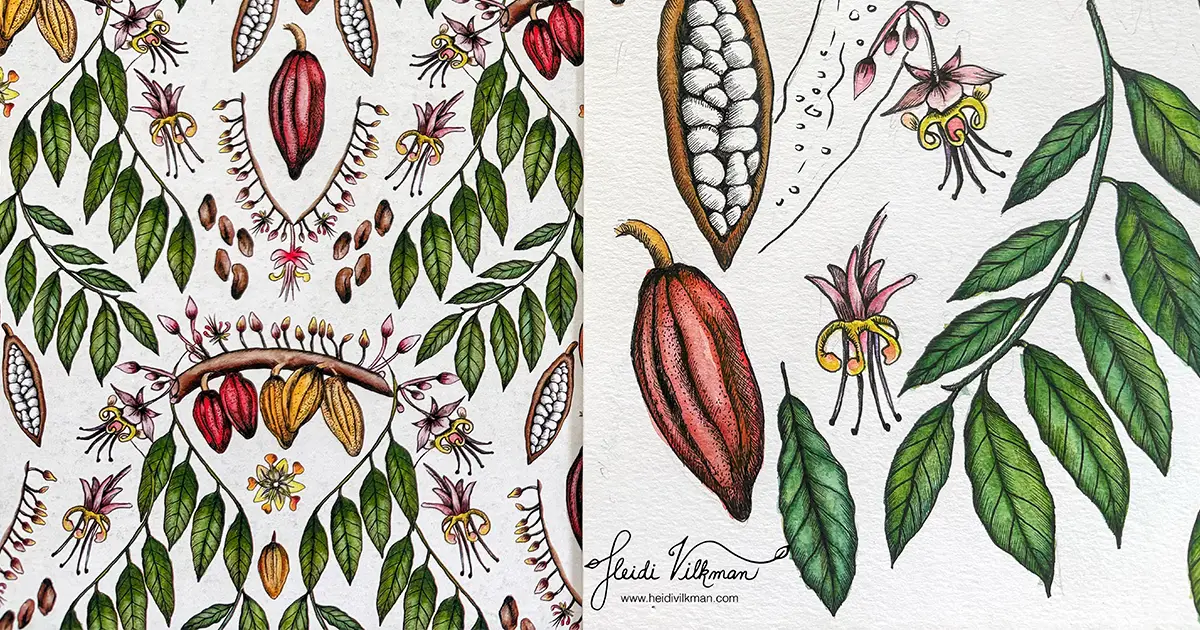
While digital tools offer precision and efficiency, they can also be limiting in the way a design is created and how it looks stylistically. Hand-drawing allows for greater artistic freedom and spontaneity. Designers can experiment with various materials and techniques, such as watercolor, ink, or pencil, to achieve textures and effects that are difficult to replicate, in such rich detail, digitally. This freedom fosters creativity and innovation, leading to more expressive designs.
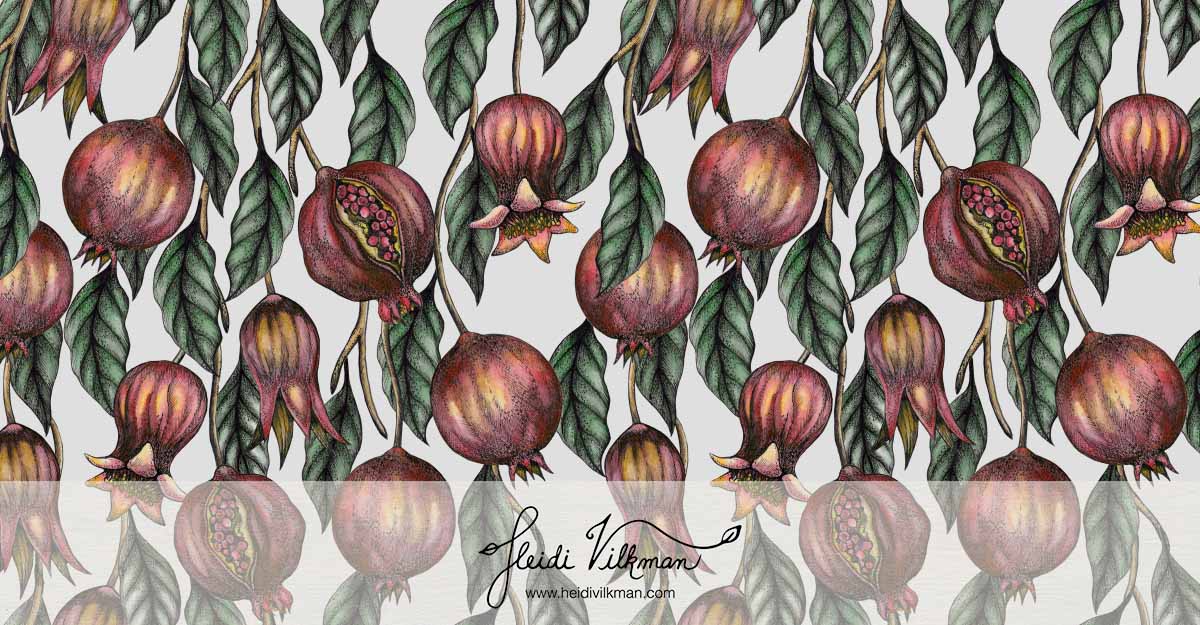
Hand-drawn patterns can easily be digitized and manipulated without losing their original charm. Scanning a hand-drawn design into digital format allows designers to enhance and modify the pattern, combining the best of both worlds. This versatility makes hand-drawn patterns suitable for a wide range of applications, packaging, print and branded products.
In an increasingly eco-conscious world, sustainability is a significant consideration for many of us, whether we are involved in the design, manufacturing or the end user process. Hand-drawn designs promote a slower, more mindful approach to production. They often require fewer resources and generate less waste and energy resources compared to entirely digital processes. This sustainable practice aligns with the growing demand for environmentally friendly products.
Engaging in hand-drawing encourages the rich artistic skills that are invaluable in any design process. It enhances hand-eye coordination, attention to detail, and an understanding of form and composition. These skills can complement digital techniques, resulting in more refined and sophisticated designs - but they need to be present in order to create an authentic, technically accurate and usable design. Digital technologies are a tool, not means to itself - even with the birth of AI.
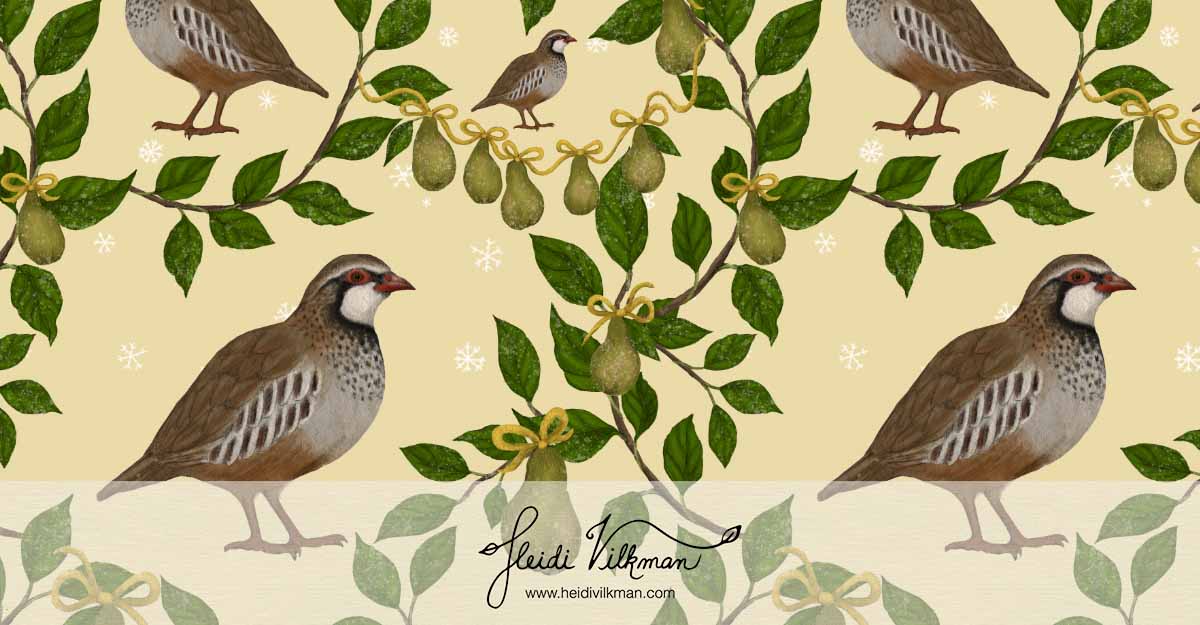
Trends in digital design come and go, but hand-drawn patterns have a timeless quality. They can transcend fleeting fashion trends and maintain their appeal over time - as an example we can mention watercolour florals. This longevity ensures that products featuring hand-drawn designs remain relevant and cherished, reducing the need for constant updates and redesigns.
In the age of AI, hand-drawn pattern design is not a nostalgic trend - it is a deliberate and powerful artistic choice. Its authenticity, emotional depth, and artistic freedom offer something that no algorithm can generate: a design that comes from a real place, made by a real person, carrying a real story. For brands that want to stand out without chasing trends, hand-drawn design is not the past. It is their future strategy.
I am Heidi, a biophilic surface pattern designer. I combine a decade of design experience, a filmmaker's mindset, and my clear design method to help lifestyle brands stand out with considered, human-made design.
Your story is the design. Let’s tell it together.
To work with me - please email info@heidivilkman.com
 Why Luxury Brands Are Moving from AI to Hand-Drawn Illustration
 Scandinavian Christmas Pattern Design